Product development: software that holds up as you grow
With QMates product development, we build your software alongside your team, whether you have an idea to take into production or an MVP that has found its first customers and is now struggling to serve them. Every sprint ends with a release to production, and the code stays easy to change as the product grows.
The code and the knowledge to evolve it stay with you, and you can carry on without us
Why does a product built in a hurry slow down once customers arrive?
The first MVP exists to test an idea, and it’s right for it to be quick. The trouble starts when the same code has to serve real customers, work with other systems and be maintained by a team larger than the one that wrote it.
Without automated tests, any change can introduce regressions elsewhere in the product, and the team releases less and less often.
Architectural decisions made in a hurry stay in the code, and every new feature costs more than the last.
The cost of a change grows quietly, and it usually goes unnoticed until the roadmap starts to slip.
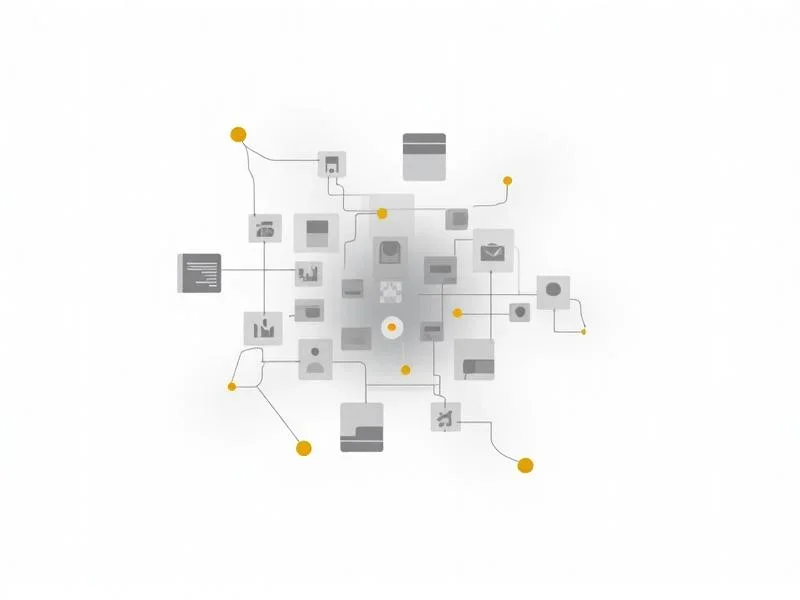
A system that grew without a defined architecture
What makes a product easy to build on as it grows?
A first release ready for users
The first release already has automated tests, a pipeline and clear boundaries between modules. These are the hardest things to add later, once real users are on board.
In production from the start
We release in small steps from the first sprint. A small change is quick to verify and, if something goes wrong, it is fixed in the next release.
Ready to change direction
A young product changes its mind often, and that is healthy. With code covered by tests and split into separate modules, a pivot decided after user feedback touches only the parts it needs to, and the rest keeps working.
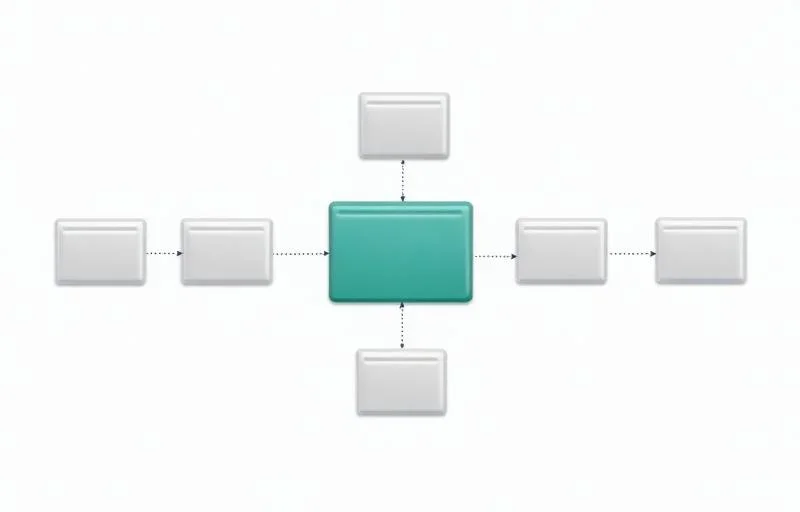
Architecture with clear boundaries and a highlighted central node
How do we build the product?
Product discovery
Before writing code we bring together the people who know the market and those who will build the product, to decide what to test first and the minimum architecture needed to test it.
Sprint planning
Cycles of no more than two weeks, with priorities and scope agreed up front
Continuous release
Every sprint ends with the software in production. Features that are not yet complete stay switched off behind a feature flag, so a release never has to wait for everything to be finished.
Opening to users
Opening the product to users is a business decision. The software is already live and stable, and you choose when
Knowledge transfer
Every day, through pair and mob programming with your people
Once a feature is live for everyone, its feature flag is removed from the code, because flags left behind pile up and turn into technical debt.
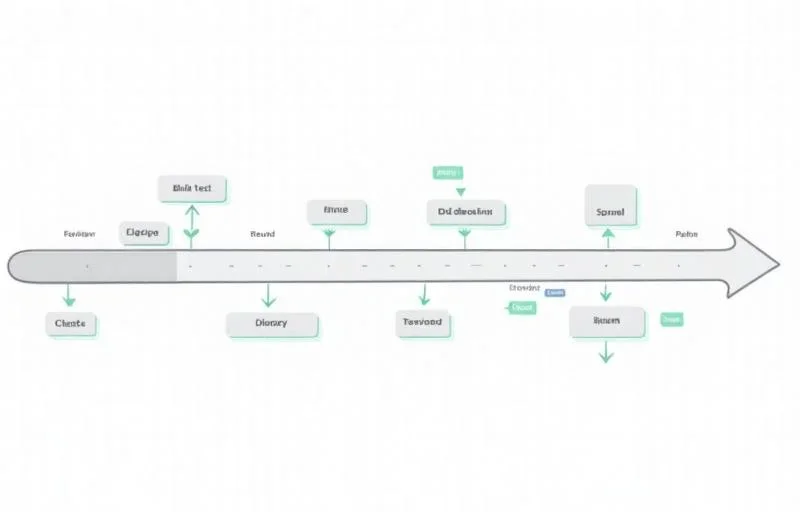
Technical roadmap with release milestones
How does open innovation work with a mixed team?

For us, open innovation means building the product inside your organisation. From the first sprint, QMates engineers and your own people form a single team, with the same backlog and the same code.
The product is built with the practices it needs to grow (automated tests and continuous integration), and your people learn them by using them on your own code.
The people who will keep the product evolving are the ones who built it, and they know the reasons behind every decision.
Product decisions stay with you, and you make them alongside the people writing the code.
What happens after launch?
Monitoring in production
We watch how the product behaves with real users: errors, response times, feature usage and the time from a change to its release, which is the measure we use to check that the cost of change stays low.
Whether we stay is up to you
Once the team is self-sufficient, you can keep us embedded in your organisation or end the engagement with a planned handover
The data gathered in production sets the priorities for the next iterations, alongside your business goals.
When is the right time?
You have an idea to take into production and want the first release to be a base you can build on
Your MVP has found customers, but every change breaks something else and people are starting to talk about rewriting it from scratch
You are looking for someone to build the product inside your organisation, together with your team
The first step is a conversation about the product and where it stands.
Do any of these sound familiar?
The situations that usually bring people to this service, with their likely causes.
Further reading in Learn
Articles by our team that look closely at the issues behind this challenge
The moment a startup starts to slow down (and no one knows why)
Many startups slow down as they grow. It isn't a people problem. It's a systems problem. Here's why it happens and how to avoid it.
Cost of change in software development: why it keeps growing
As software grows, changing the product gets harder and harder. The cost of change is one of the clearest signs that architecture, organisation and delivery have stopped evolving together.
Software roadmap delays: why roadmaps become unstable
As a software organisation grows, roadmaps become steadily less reliable. The problem is often not estimation itself, but the complexity of the system that produces delivery.
Related case studies

SureVIVE: modernising the architecture without stopping delivery
Quality practices inside the teams first, then the monolith migrated one feature at a time.
Read the case study
From zero to a live SEO product in six months
Helping the team deliver, with frequent and safe releases.
Read the case studyHave a product to build, or one to put right?
Tell us what you need
Message sent
Thanks for reaching out. Our team will get back to you within 24 hours with a tailored proposal